

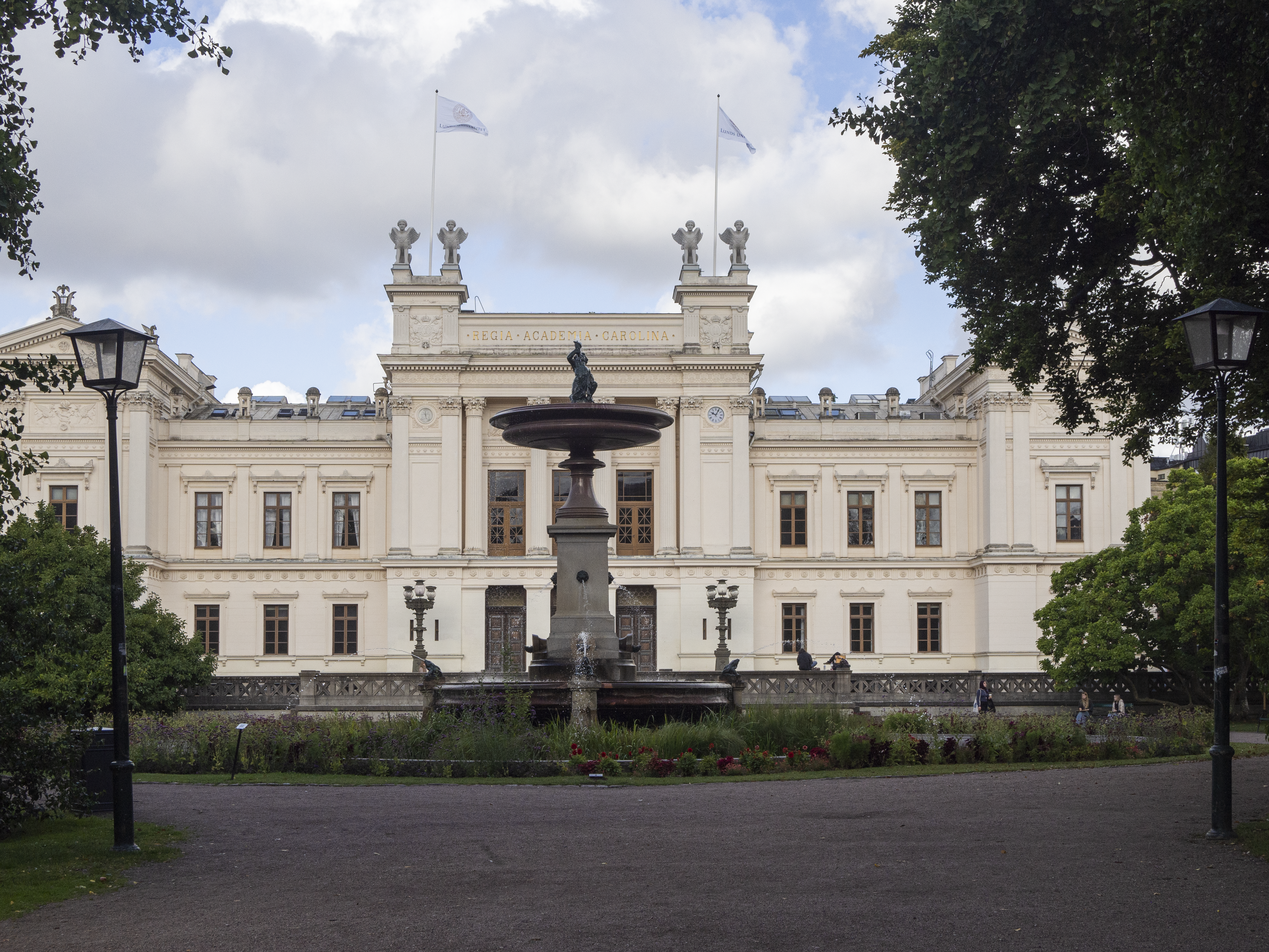
A report from the Swedish Council for Higher Education (UHR) shows that international applicants to master’s programmes in Sweden have reached an all-time high for the autumn term of 2026. Lund University (LU) is seeing the same upward trend.
Nationally, total applications rose by 9 percent compared to last year, surpassing 109000 for the first time since 2009. Numbers fell sharply in 2011 when tuition fees were introduced for non-EU/EEA students, but have recovered since. The growth is particularly visible in science, technology, engineering and mathematics (STEM) programmes, in line with Sweden’s efforts to address a shortage of skills in these fields.
Nearly three-quarters of applicants hold qualifications from countries in Africa and Asia. Students from Nigeria, Pakistan, India, Bangladesh, and China account for almost half of all applications across Sweden.
”The average national increase reflects the rising trend at Lund University as well, with a total increase of 9 percent,” says Maria Lindblad, Head of Global Student Recruitment at Lund University.
“Lund is in a great position to get applications from all over the world. We have applicants from around 170 countries.”
At LU, the largest increase comes from students who received their prior education in Nigeria according to Maria Lindblad, reflecting national and global patterns. Interest is also rising from the United States, Indonesia, Ethiopia and Tanzania. In contrast to the national trend, applications to LU from India remain unchanged, while Bangladesh saw only a slight increase this year.
While STEM programmes are attracting growing interest from international students nationally, business programmes dominate at Lund. Programmes such as the Master’s programmes in Finance, Entrepreneurship and Innovation, and Data Analytics and Management attract the most applicants overall. The single most applied-to programme, however, is the Master’s programme in Public Health at the Faculty of Medicine, driven by rising interest among African applicants.
“In general, the business programmes at the School of Economics and Management are the ones that attract the most applications,” says Maria Lindblad
Some increases are the result of strategic efforts.
“This is the case for example with the USA and several Latin American countries, as well as for Indonesia and Vietnam” says Maria Lindblad.
Demographic and global factors also play a role in the changing application patterns, such as the increased number of young people in Nigeria. This year also marks the first time the Sweden Institute has focused its global scholarship programme to selected fields, including governance, public health, entrepreneurship and innovation, and STEM – a key move to bringing around 400 international students to Sweden each year.