
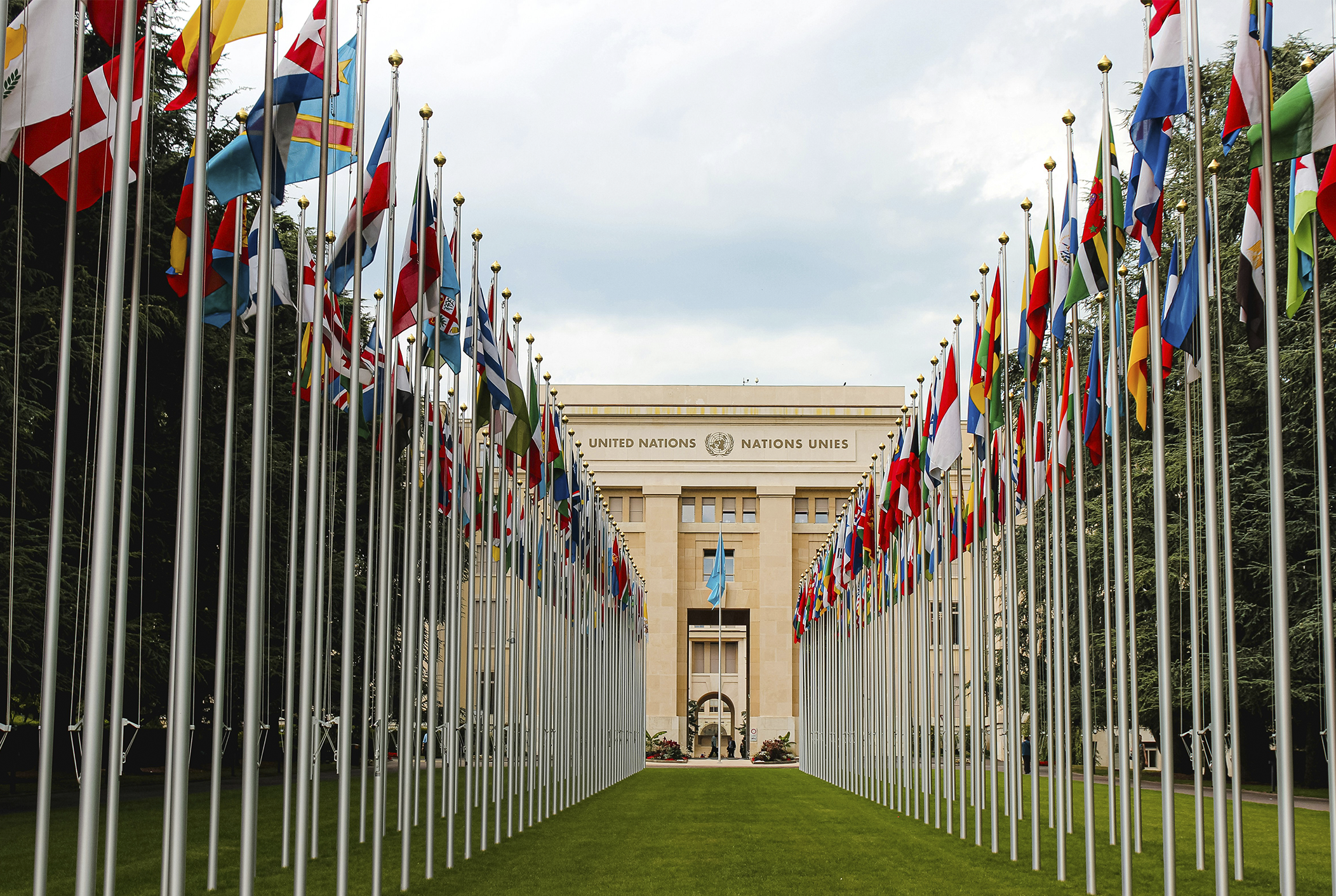
On November 21 COP30 ended, a day later than planned. Negotiations at the Conference were meant to discuss the fossil fuel-phaseout, but were suspended on the matter of financing the transition. Fariborz Zelli, professor at Lund University, was present at the event.
Since 1995 UN member countries have gathered annually at the UN Climate Change Conference (COP) to agree on policy guidelines and agreements to mitigate the effects of climate change. After the Paris Agreement was adopted at the COP21 in Paris in 2015, participating countries agreed to limit global warming to less than 2 degrees Celsius, ideally staying within the limits of 1.5 degrees compared to pre-industrial levels. While these conventions primarily allow governments to come to multilateral policy agreements, they are also a meeting ground for different stakeholders. In addition, the COP has become a place for knowledge exchange and co-creation outside the sphere of policy-making.
Dr. Fariborz Zelli, professor at the department of political science at Lund University, was one of the researchers organising a COP30 side-event. Zelli is one of the researchers working on Lund
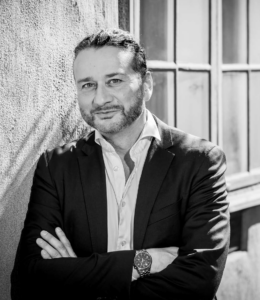
Photo: Kennet Ruona/LU
University’s project on Environmental Human Rights Defenders, and the side event: The need to recognize environmental defenders in the UNFCCC process: Voices from Latin America, covered the same topic. In collaboration with two environmental, indigenous and women’s rights NGO’s, the event was meant to address the UNFCCC’s (United Nations Framework Convention on Climate Change) lack of acknowledgement of environmental defenders warnings.
Using the research project as a theoretical background, the event covered the role of environmental defenders in climate action, and entered into open dialogue with policy actors, stakeholders, and affected peoples. Through this communication of knowledge and interaction with different representatives, research is connected to the process of policy-making. Zelli is happy with the opportunity to present research at the COP.
– Science has been very much present at this particular conference.
Simultaneously, he is concerned about the increasing presence of industries and lobbying parties.
– It (The COP, eds note.) has already been called a circus for years, but it’s gotten even more intense.
While the side-event presented a unique opportunity to share research conducted as part of the project, attention at the conference seemed primarily aimed at the primary negotiations and showcase-elements, according to Zelli. In addition, the conference has thus far not yielded sufficiently ambitious results.
– Doubts have always been cast on climate science in and around COP negotiations. But currently I feel that such criticism and backlash are getting more and more, and it’s coming from various sides. So maybe what we have to learn as scientists is not only how to lobby and present ourselves, but to fight back, to stand up assertively and clearly.
Regarding the conference, he suggests a revision of the COP-format.
– I think we need smaller, more frequent, solution-oriented meetings. We have these formats, but they’re mostly used for firefighting like at last year’s biodiversity COP which ended inconclusively. They had to hold resumed sessions, which were much smaller, much more targeted, and they got everything done they wanted to do. This shows that this is not utopian. Smaller, more frequent, more targeted settings can address quite a few of these window-dressing and greenwashing elements. Less of a circus, less business, less distraction.