
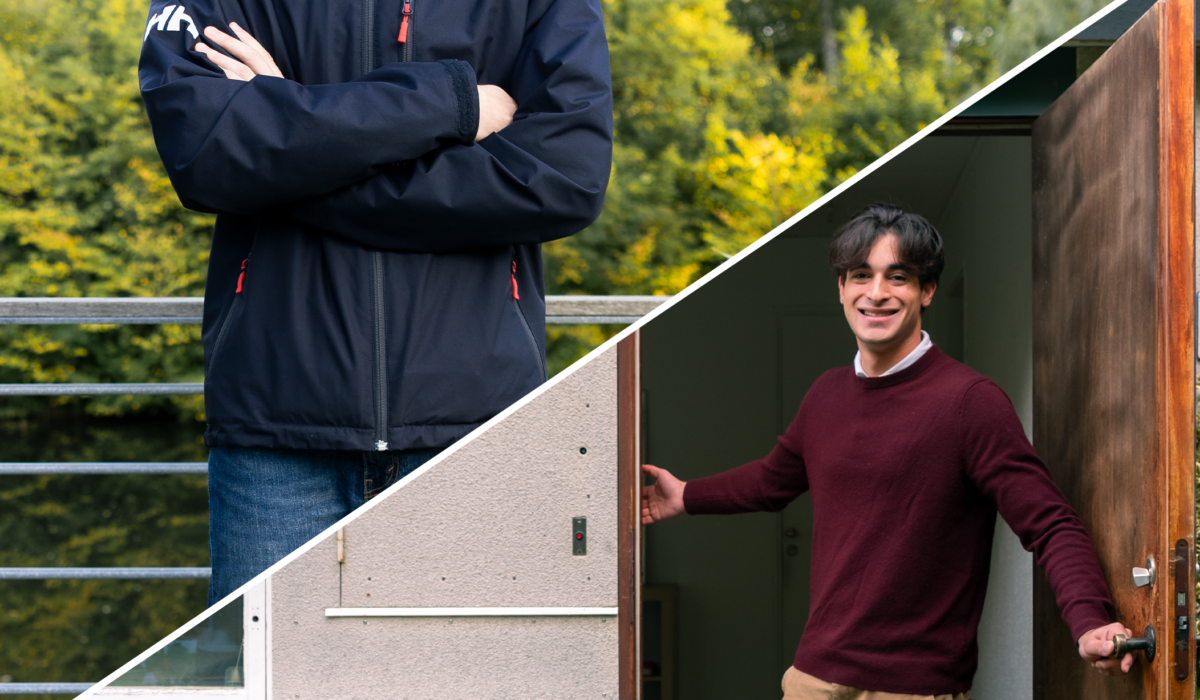
Rapolas could not lock his bedroom door. Nor did he get a key to the apartment he shared with his forty-year-old landlord. At six in the morning on a Tuesday, the landlord came into his room.
– He jumped into my bed. He was calling an ambulance, saying, ”Help me, I’m dying, I’m dying”, says Rapolas, a twenty-year-old exchange student from Lithuania.
His landlord hadn’t showered in days. The paramedics arrived and concluded there was nothing wrong. By the end of the day, Rapolas had moved out.

Like most other international students, he started looking for accommodation at the start of summer, and made his way through the standard list: AF Bostäder, LU Accommodation, Bopoolen, Facebook groups, and Qasa. With two weeks left before his flight, he found a room on Qasa over a video call.
– Even if the price was too high, I had to take it because I needed a place to live. I was quite scared of coming here and living on the streets, says Rapolas.
Rapolas ended up paying 9500 SEK a month for a single room, sharing a kitchen and bathroom with the landlord himself. The shared spaces were unkempt and dirty.
If you see us having sex, please don’t look away”
It was on a Saturday night, two weeks after moving in, that the situation escalated. Rapolas was alone in his room when his phone started buzzing with messages from his landlord: Unprompted, visceral descriptions of the landlord’s sex life. Screenshots shared by Rapolas show the messages escalating from descriptions to pressuring him to participate. The landlord described a woman he had invited over and was pushing Rapolas to sleep with her, writing: ”She’s offering a lot. Think about it”.
The next morning, Rapolas confronted his landlord, who said he wouldn’t do it again. Within a few minutes, the messages started again: ”If you see us having sex, please don’t look away, ”We can pay you to do her in the woods, just a short film”, ”She is just very in need. Maybe we can use your room?”
– I would say he was grooming me; it’s hard to describe, Rapolas says.
On Monday morning, Rapolas was able to renegotiate his three month notice period down to a month. However the new contract needed to be signed by the end of the month – the very next day. With September just around the corner, time was running out to get the landlord to sign the new documents before the end of the month. The landlord tried to talk Rapolas out of moving, but quickly pivoted into a more threatening register: ”I don’t want to hear any more strong, very misleading words. I can reduce the price if you treat this nicely.”
The message arrived with a smiley face.
Rapolas sought help from the International Office, Bopoolen, and the police, who told him to come back the next day to file a report. That evening, his friends told him to barricade his bedroom door, but he shrugged it off. The next morning at six, Rapolas woke to his landlord jumping into the bed.
That was the final straw. With nowhere to go, he messaged every nation and Facebook group he could find. A stranger’s post on Facebook led him to a landlady renting rooms to students on the outskirts of Lund. He went to view the room, decided within five minutes, and moved in the same day.
Rapolas is still paying rent for the room he fled: A month and a half’s worth of money he doesn’t expect to see again. His new place is cheaper, and shared with students from four countries.
– I feel safe now; I feel like I am living in my own house, he says.
The police got back to Rapolas after two weeks, saying there was insufficient evidence for the charge of sexual harassment. His previous landlord has already placed a new advertisement for the same room online.
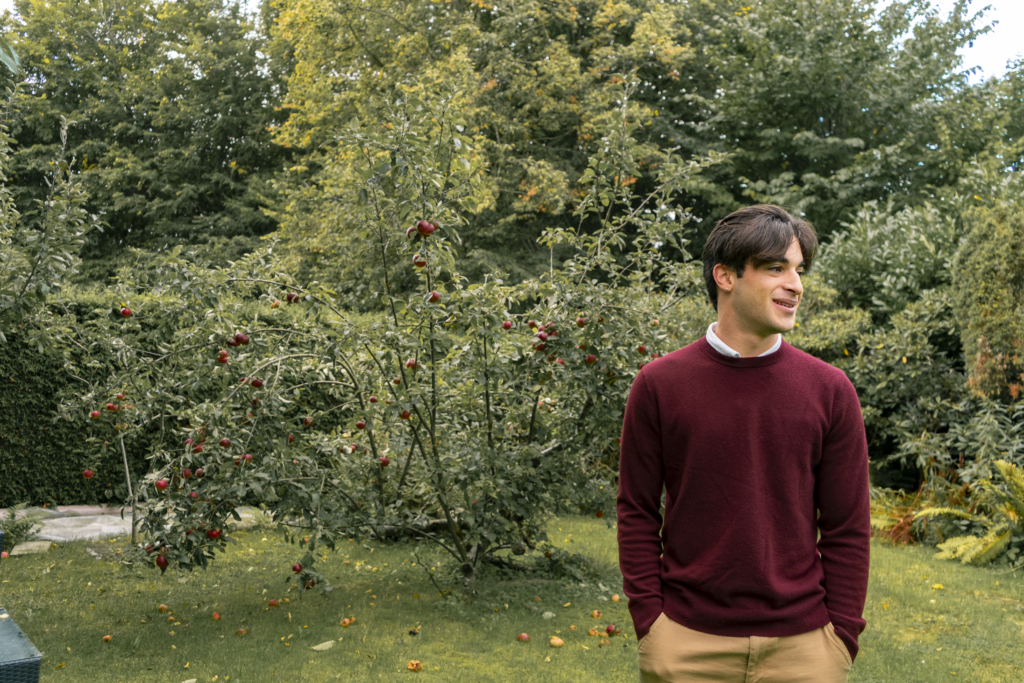
Aveed Gorji started from a similar position as Rapolas. After having no luck in the AFB housing lottery, he arrived in Lund as an American exchange student with no housing. On Arrival Day, he learned about Bopoolen’s couch-surfing campaign, an emergency housing scheme that matches exchange students without housing with local volunteers. He stayed with a host family for two weeks while searching Whatsapp groups, Facebook and Bopoolen for a permanent place to live.
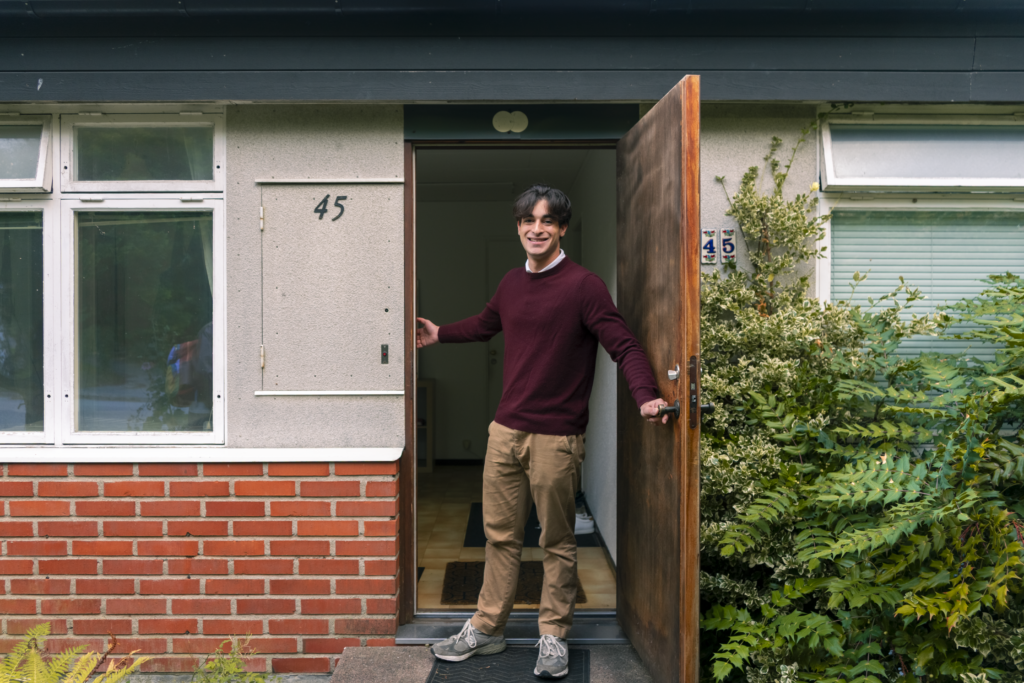
Photo: Erik Norinder.
– I sat down one day and said, ”OK, we’re getting housing today”, Aveed recalls.
He now pays 4900 SEK for a room in a house with a nice garden.
– It’s a little unfair. I know a lot of people who are spending way more and have a really bad housing situation, he admits.
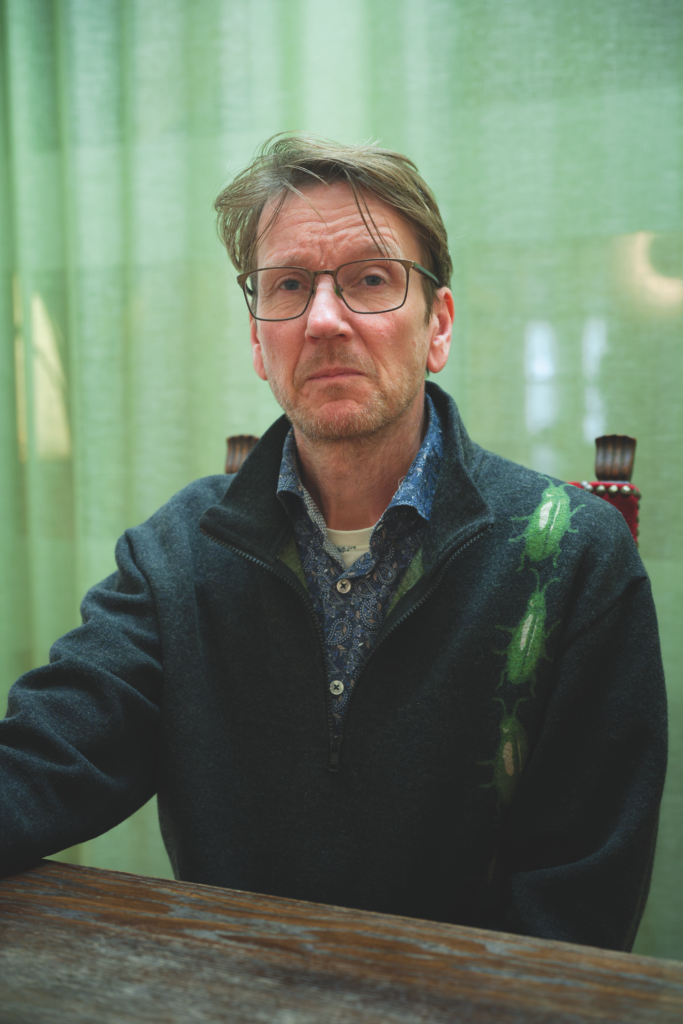
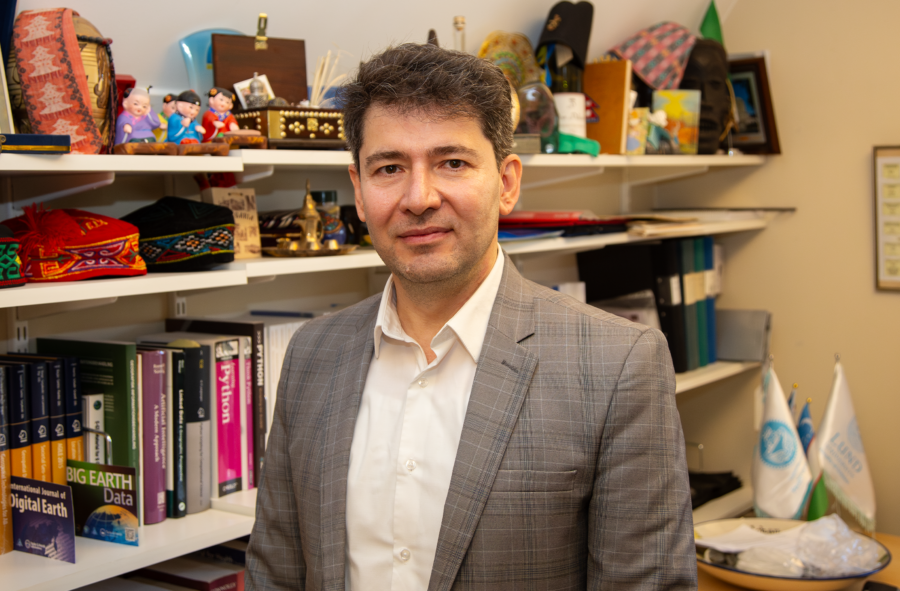
Måns Lindgren, who runs Bopoolen for Lunds universitets studentkårer (Lus), sees a clear pattern behind who ends up where.
– Almost 100 per cent of the people who get scammed are international students. It’s natural that if you don’t know how the housing market works, you’re exposed to misunderstandings and people who try to take advantage of the situation you’re in, Måns Lindgren says.
A lack of local connections can make it almost impossible to view the place before moving in. The competitive nature of securing student housing in Lund also fosters an atmosphere where you are made to feel lucky to find anything at all, no matter the price or conditions.
– International students are more likely to sign a contract without fully understanding what it entails. Notice periods can be tricky; if the lease is in Swedish and says three full calendar months, you might not realise what you actually commit to until it’s too late, he says.
For housing at the student nations in Lund, the demand is greater than the supply. A former houseforeman told Lundagård that international applications are often the most anxious in her inbox.
– It is so much more complicated to find reliable and good housing when you are not in the country. Oftentimes, the queue time is very misleading, she says.
A house foreman at Hallands Nation adds that some nations informally favour applicants from their own region, and that active volunteers get priority in housing allocation. Furthermore, many nation rooms come unfurnished, which is a deterrent for exchange students who are only staying for a single semester.
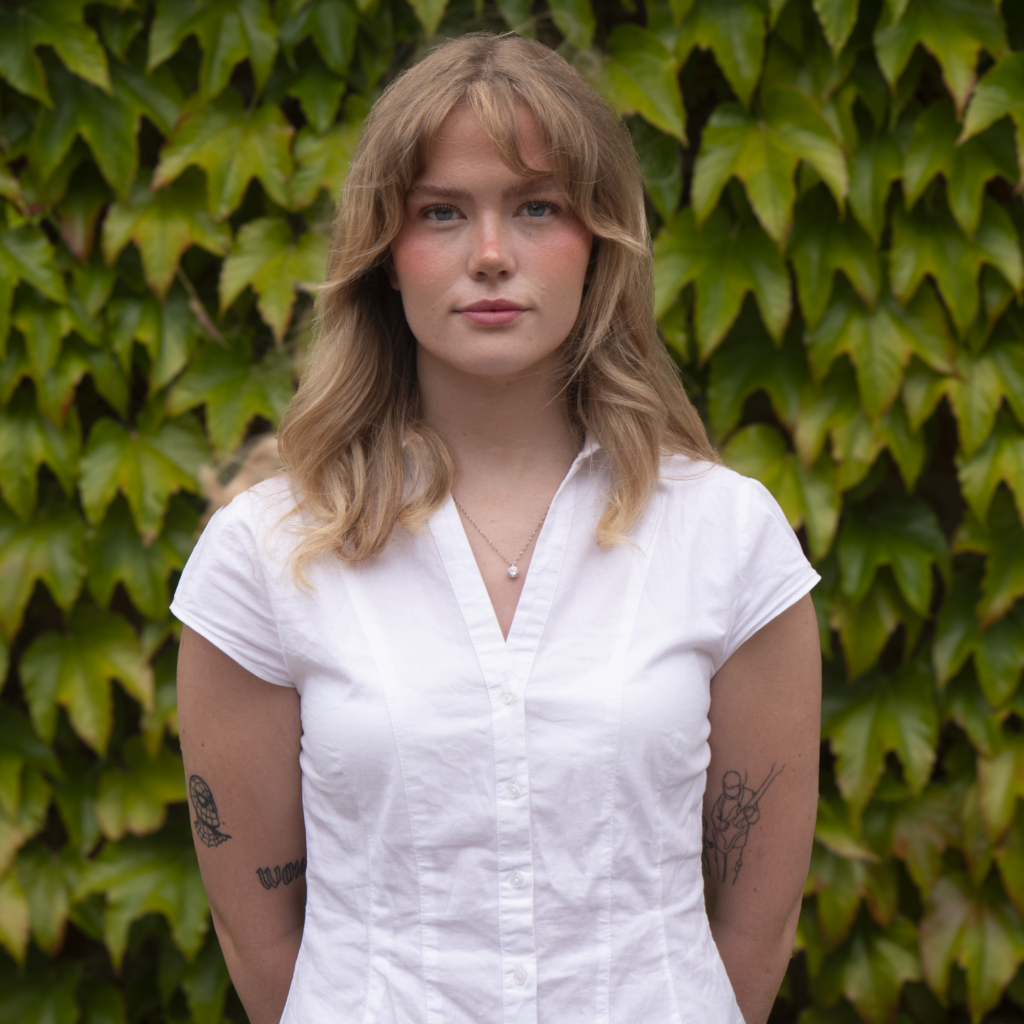
Rapolas’s case sits at the far end of what exchange students experience trying to find housing in Lund. The help that exists once money has been paid is limited. Måns Lindgren says that once the situation has gone that far, Bopoolen’s options narrow to referring students onwards. This could be free legal advice, or in serious cases, the police.
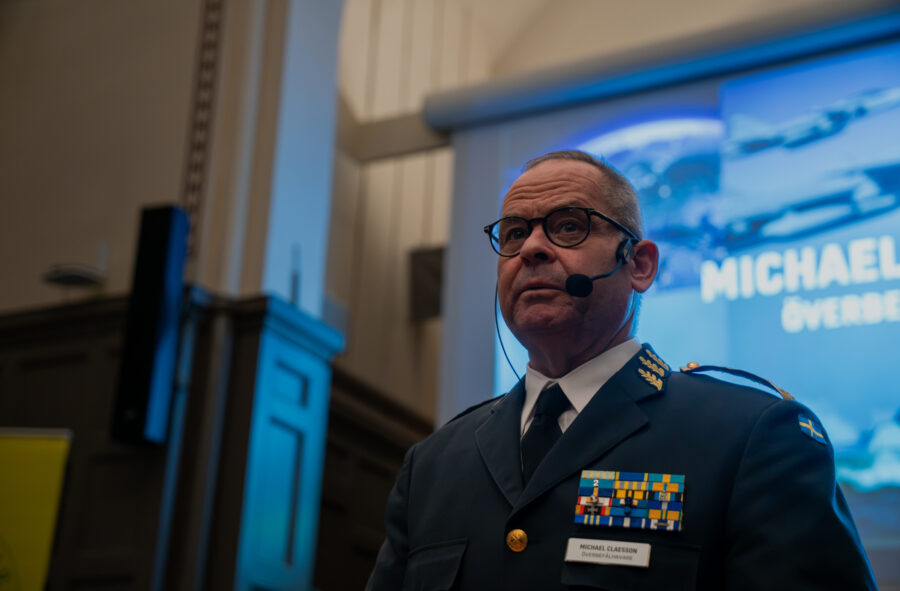
Elisabeth Roos Lindell, president of Lus, doesn’t pretend the system works for everyone.
– As long as there are students ending up in the wrong situation, we haven’t done enough. Somewhere, communication has failed those students.
If you or someone you know is dealing with harassment, exploitation, or unsafe housing in Lund, support is available through Lund University’s International Office, Lus’s own advisors, and Juristjouren, which offers free legal guidance to students. If you are in immediate danger, contact 112.
This article was first published in Lundagård #6 2026. Read the paper in full here.